

Pennington Biomedical Convenes Global Experts to Advance Understanding of Ultra-Processed Foods and Health
May 4, 2026 · Baton Rouge, LA
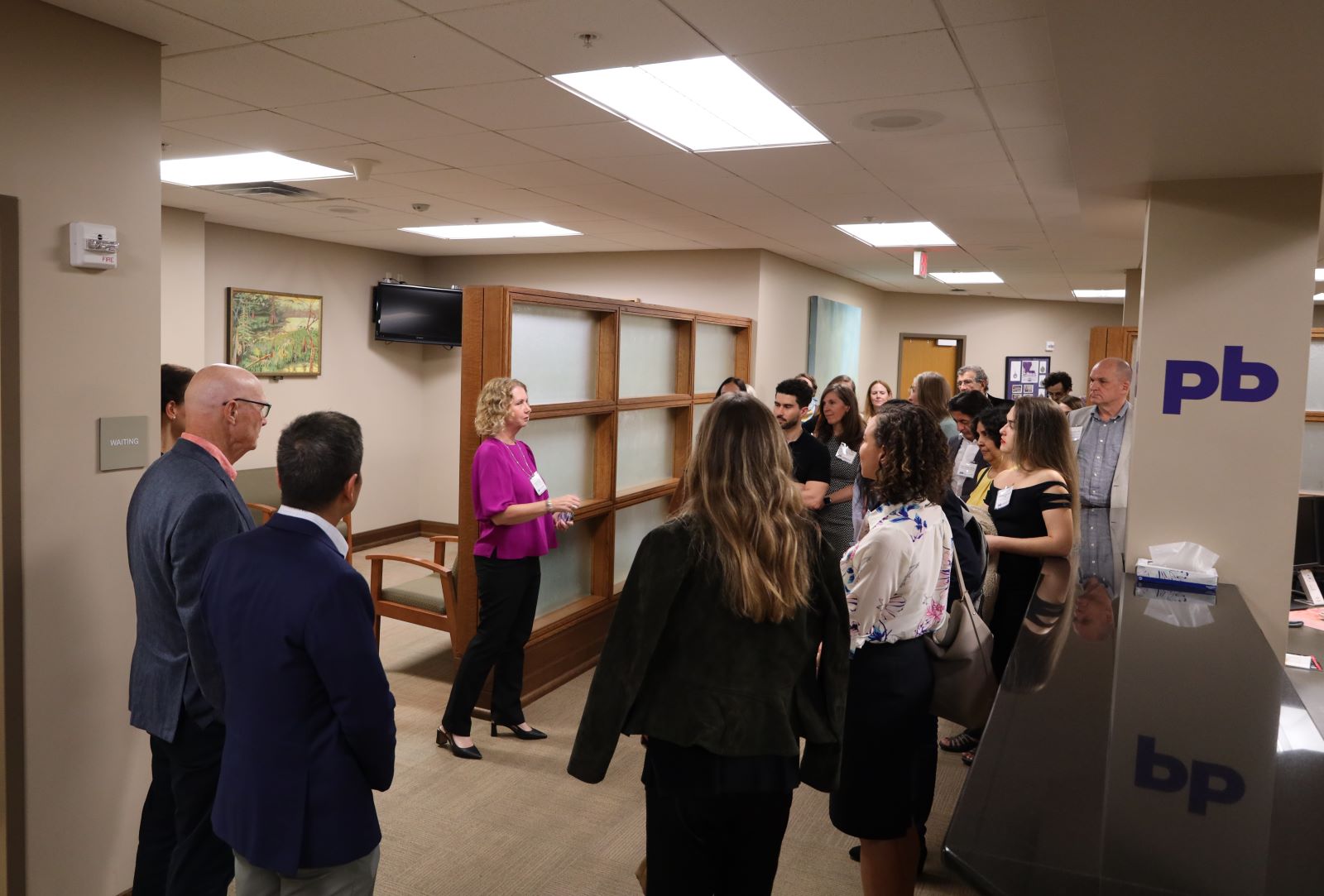

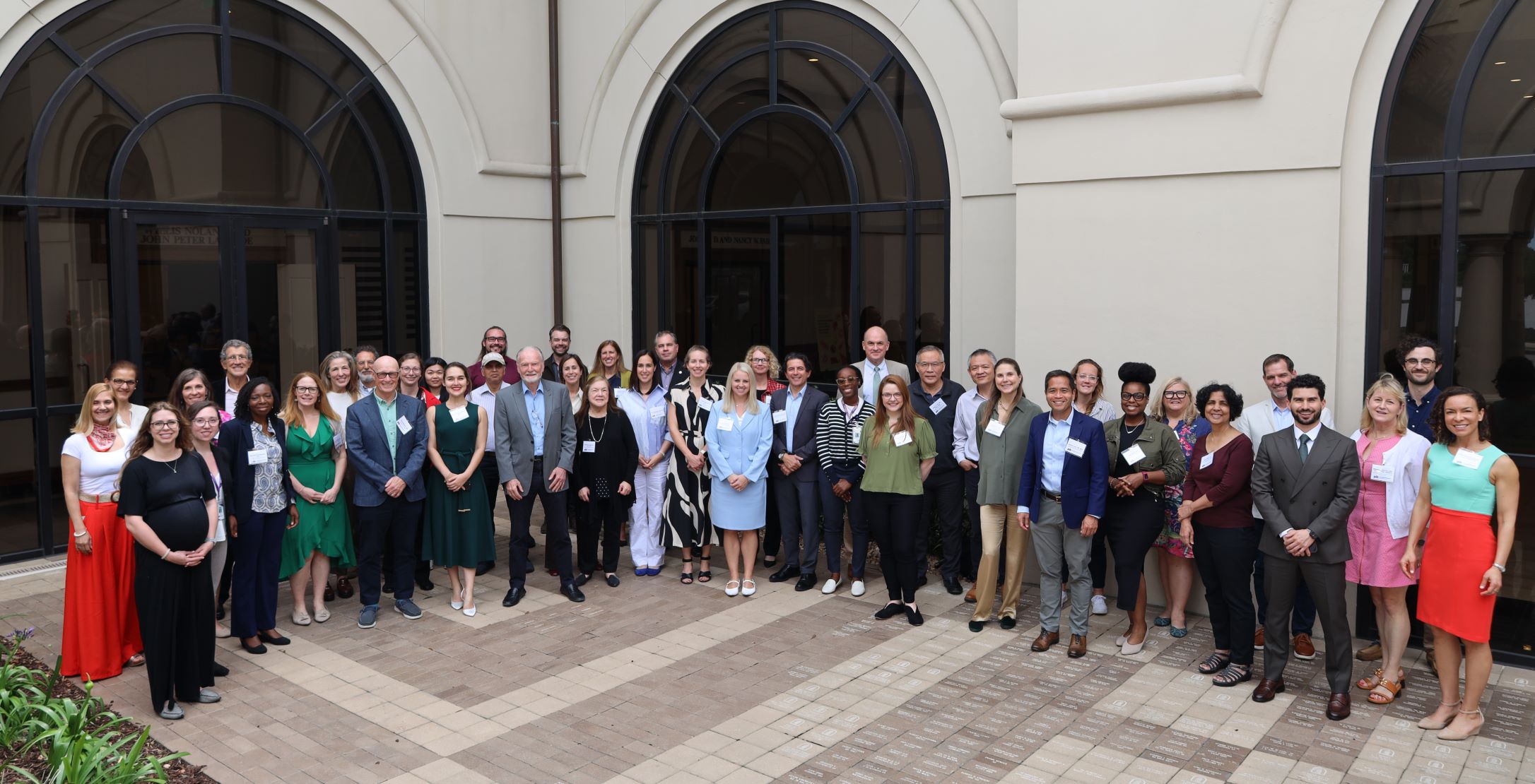
LSU’s Pennington Biomedical Research Center recently hosted a two-day scientific symposium, “Ultra-Processed Food and Health: From Mechanisms to Actions,” bringing together many of the world’s leading experts to examine one of the most pressing topics in nutrition science.
The symposium convened an international group of researchers, clinicians and policy experts to explore the rapidly evolving science surrounding ultra-processed foods and their impact on human health. Discussions spanned the biological mechanisms linking ultra-processed foods to chronic disease, the gaps in available research, the role of the food environment and industry practices, and opportunities for policy and public health action.
Among the distinguished participants was Dr. Carlos Monteiro, professor emeritus at the University of São Paulo, who first coined the term “ultra-processed food” and has been instrumental in shaping the global conversation on the topic. The meeting represented one of the largest gatherings of ultra-processed food experts to date, creating a unique forum for cross-disciplinary collaboration and knowledge exchange.
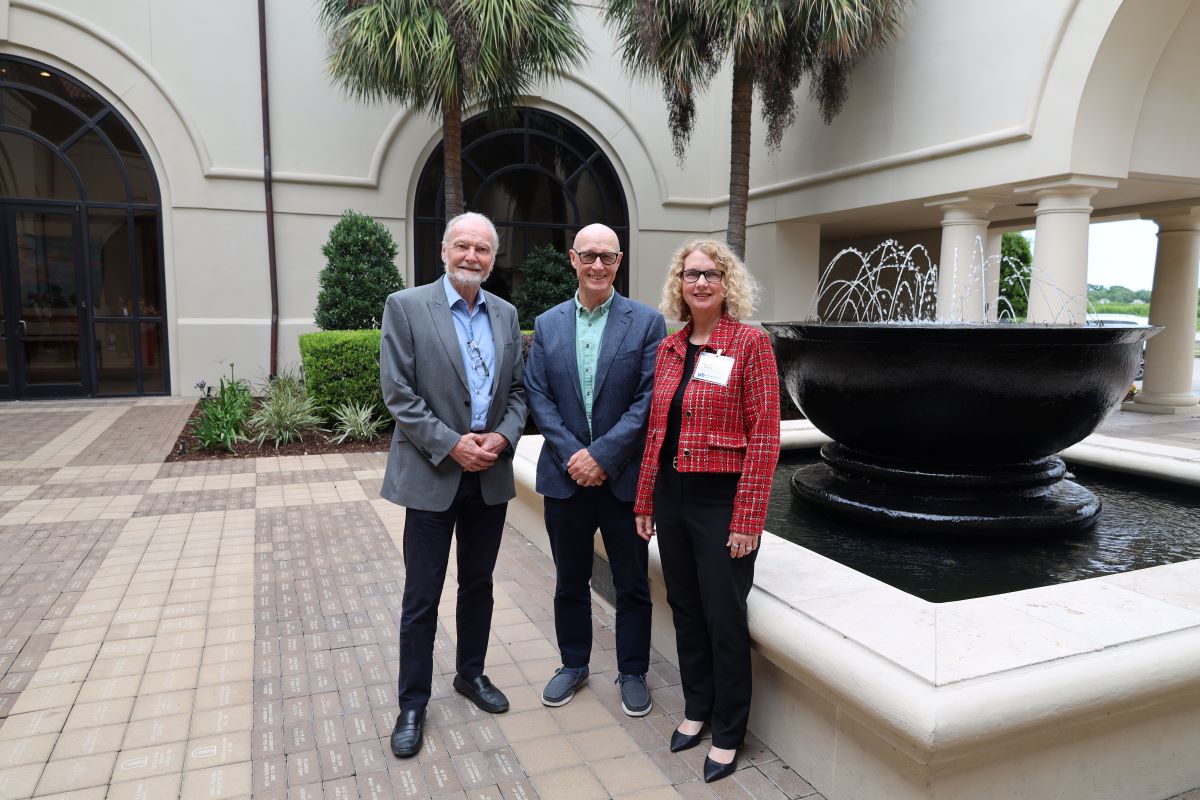
The symposium was co-chaired by LSU Boyd Professor Dr. Eric Ravussin and University of Auckland’s Dr. Boyd Swinburn, both internationally recognized leaders in metabolism and public health nutrition.
“This symposium brought together an exceptional group of scientists to critically examine the evidence and identify where the field needs to go next,” said Dr. Ravussin. “By integrating perspectives from basic science to population health, we are moving closer to understanding how ultra-processed foods negatively affect human biology and how we can translate that knowledge into meaningful health solutions.”
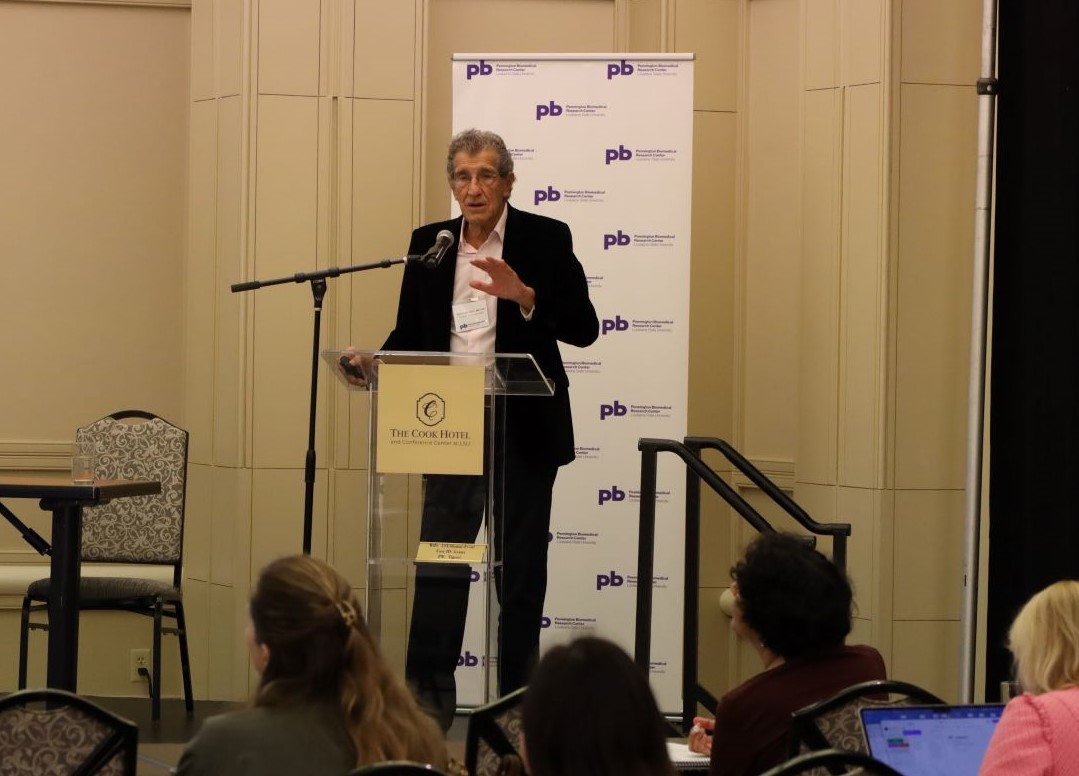

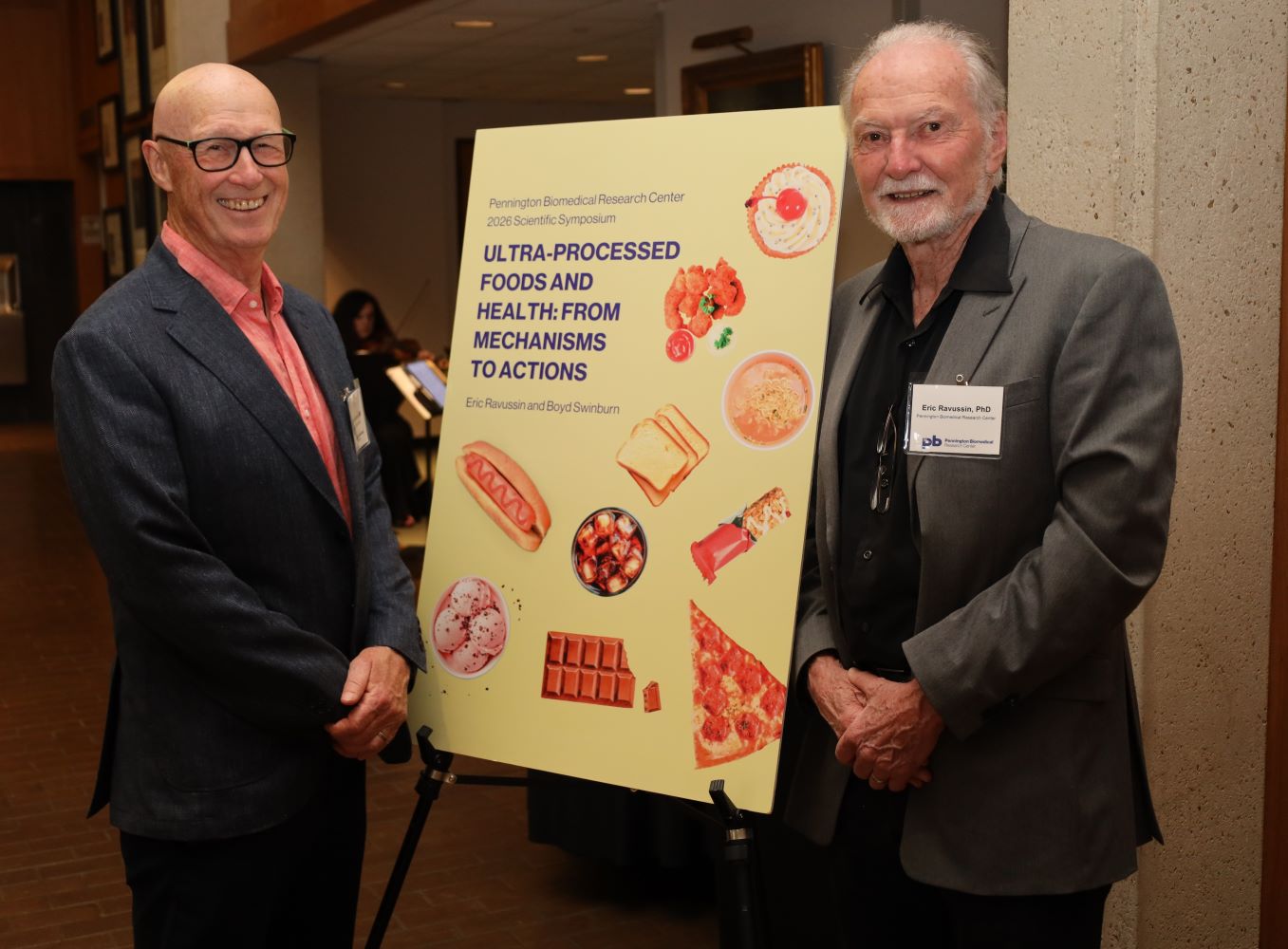
Over the course of the event, participants examined how ultra-processing may influence overeating, metabolic health, the gut microbiome and long-term disease risk. The program also addressed broader system-level drivers, including food policy, packaging concerns and economic incentives that shape dietary patterns worldwide.
Dr. Swinburn, who was among the authors of The Lancet series on “Ultra-Processed Foods and Human Health,” emphasized the importance of global collaboration and policy engagement. “Ultra-processed foods are now a dominant part of the global food supply, and addressing their impact requires coordinated efforts across science, policy and public health,” he said. “This meeting created a valuable space to align on the evidence, debate key issues and identify steps that need to be taken as we move forward.”
As part of Pennington Biomedical’s ongoing commitment to addressing complex health challenges, the symposium will contribute to a summary publication capturing key insights and future research priorities.
As national attention continues to focus on improving diet quality, the symposium comes at a pivotal moment. Emerging federal dietary guidance is placing greater emphasis on whole foods and overall dietary patterns, while broader movements are encouraging a more integrated approach to nutrition, health care and prevention – including a recently released NIH Common Fund proposal that emphasizes priority for a new program, “Ultra-Processed Food: Investigating Mechanisms, Prevention and Action for Chronic Disease and Transformation (UPF-IMPACT).” Within this context, the concept of “food as medicine” is gaining traction as a strategy to address chronic disease and improve population health.
“At Pennington Biomedical, we are committed to leading and shaping global conversations around the most pressing challenges in health and nutrition,” said Dr. Jennifer Rood, Interim Senior Vice Chancellor and Executive Director of Pennington Biomedical. “Bringing together world-renowned experts for this symposium is a powerful example of that leadership – creating a space to drive meaningful progress on ultra-processed foods and their impact on health.”
By advancing the science on ultra-processed foods and their role in health, Pennington Biomedical and its partners are helping inform evidence-based conversations that can guide individuals, health systems and policymakers toward more effective, sustainable solutions.
For more information contact:
Ernie Ballard, Senior Director of Communications & Marketing, ernie.ballard@pbrc.edu, 225-263-2677.
About LSU's Pennington Biomedical Research Center
The Pennington Biomedical Research Center is at the forefront of medical discovery as it relates to understanding the triggers of obesity, diabetes, cardiovascular disease, cancer and dementia. Pennington Biomedical has the vision to lead the world in promoting nutrition and metabolic health and eliminating metabolic disease through scientific discoveries that create solutions from cells to society. The Center conducts basic, clinical and population research, and is a campus in the LSU System.
The research enterprise at Pennington Biomedical includes over 600 employees within a network of 44 clinics and research laboratories, and 16 highly specialized core service facilities. Its scientists and physician-scientists are supported by research trainees, lab technicians, nurses, dietitians and other support personnel. Pennington Biomedical is a globally recognized state-of-the-art research institution in Baton Rouge, Louisiana. For more information, see www.pbrc.edu.
Pennington Biomedical Research Center
6400 Perkins Road
Baton Rouge, LA 70808


