


Minutes Matter Most When Exercising to Control Blood Sugar
April 8, 2026 · Baton Rouge, LA
Study says longer, not stronger, is the key for people with Type 2 diabetes
 A recent study from UBC Okanagan suggests that results depend less on how you exercise
and more on how long you keep moving – especially for people newly diagnosed with
Type 2 diabetes (T2D).
A recent study from UBC Okanagan suggests that results depend less on how you exercise
and more on how long you keep moving – especially for people newly diagnosed with
Type 2 diabetes (T2D).
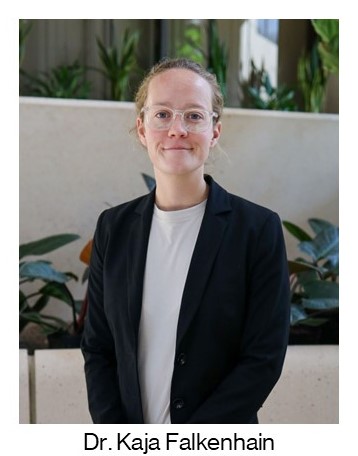
Researchers, including current Pennington Biomedical Research Center postdoctoral fellow Dr. Kaja Falkenhain, found that longer exercise sessions – especially early in an exercise program – were the strongest predictor of improvements in blood sugar control among inactive adults who were newly diagnosed with T2D.
Dr. Jonathan Little, a professor in UBCO’s School of Health and Exercise Sciences, said the findings come from a follow-up analysis of data from the MOTIVATE T2D trial. The 26-week personalized exercise program tracked 58 adults who wore fitness watches, allowing researchers to analyze their exercise behaviors in real time.
“We saw a clear signal that exercise duration stood out above all other factors,” Dr. Little said. “People who spent more time exercising during each session, regardless of the type or intensity, experienced bigger improvements in blood sugar levels.”
The participants had their blood tested and blood sugar monitored before and after the intervention. Using data from fitness watches, the researchers tracked the exercise duration, volume, frequency and consistency during the 26 weeks.
The analysis was broken down into two phases. In the first 13 weeks, participants received significant coaching support. During the final 13 weeks, coaching support was reduced.
Dr. Jonathan Low, who completed the study for his doctoral studies at UBCO, said the main takeaway is that duration matters most—especially in the first few weeks. He also says neither exercise intensity nor type, whether it was aerobic or strength training, independently predicted blood sugar outcomes.
“This tells us that helping people build longer exercise sessions early on may set the foundation for lasting metabolic benefits,” Dr. Low said. “Duration appears to be a more stable and sustainable behavior, especially for people learning to adjust to life with T2D.”
To put the findings into practical terms, the researchers found that each minute added to an average exercise session was linked to a measurable drop in glycated hemoglobin, a key marker of long-term blood sugar control.
“Extending an average workout from 30 to 45 minutes was linked to about 0.3 per cent reduction in glycated hemoglobin,” Dr. Little said. “That may seem small, but over multiple sessions each week, it could make a meaningful clinical difference. It can also add to the benefits of other lifestyle changes and medical treatments.”
Dr. Kaja Falkenhain, a former UBCO doctoral student now at LSU’s Pennington Biomedical Research Center, was a key collaborator on this work. She said exercise is a cornerstone of managing T2D, and is known to improve insulin sensitivity, cardiovascular health and metabolic function.
“However, advice on what matters most in an exercise prescription – duration, intensity, frequency or volume – has been inconsistent,” she said. “This study helps demystify that question,” she adds. “For people newly diagnosed with T2D, encouraging longer, manageable workouts may be one of the most effective and realistic strategies to improve blood sugar control.”
The study, published in Medicine & Science in Sports & Exercise, highlights that early support can help people change their exercise habits.
While the study was not originally designed to test these exact ideas, Dr. Little notes that the results still show that exercise – especially longer sessions – matters.
“Of all the different types of exercise variables we explored, workout time seems to matter more for lowering glucose than exercise type, intensity, calories burned or frequency,” he added. “So, find something you like and do it for as long as you can.”
Contact: Patty Wellborn
UBC Okanagan
patty.wellborn@ubc.ca
For more information contact:
Ernie Ballard, Senior Director of Communications & Marketing, ernie.ballard@pbrc.edu, 225-263-2677.
About LSU's Pennington Biomedical Research Center
The Pennington Biomedical Research Center is at the forefront of medical discovery as it relates to understanding the triggers of obesity, diabetes, cardiovascular disease, cancer and dementia. Pennington Biomedical has the vision to lead the world in promoting nutrition and metabolic health and eliminating metabolic disease through scientific discoveries that create solutions from cells to society. The Center conducts basic, clinical and population research, and is a campus in the LSU System.
The research enterprise at Pennington Biomedical includes over 600 employees within a network of 44 clinics and research laboratories, and 16 highly specialized core service facilities. Its scientists and physician-scientists are supported by research trainees, lab technicians, nurses, dietitians and other support personnel. Pennington Biomedical is a globally recognized state-of-the-art research institution in Baton Rouge, Louisiana. For more information, see www.pbrc.edu.
Pennington Biomedical Research Center
6400 Perkins Road
Baton Rouge, LA 70808


