

2025 News Feed
Pennington Biomedical Researchers to Present at the ADA’s 2025 Scientific Sessions in Chicago
Researchers from Pennington Biomedical Research Center are scheduled to present their latest findings in diabetes research and treatment at the American Diabetes Association’s (ADA) flagship conference, the 85th annual Scientific Sessions taking place June 20 – 23 in Chicago.
Learn More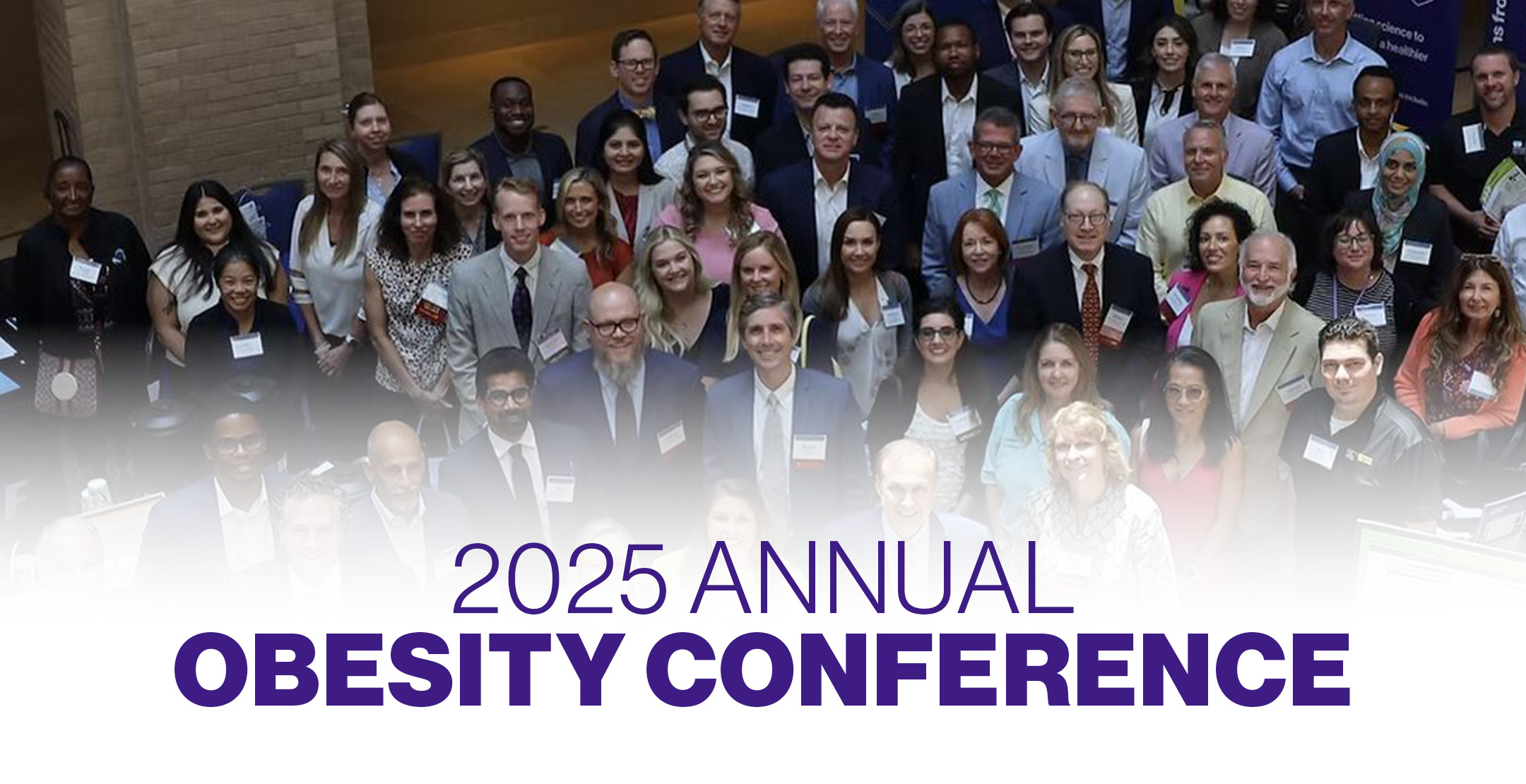
Louisiana Obesity Society Conference Returns Aug. 8 and 9 in New Orleans
The Louisiana Obesity Society (LOS) and the Louisiana Chapter of the American Society for Metabolic and Bariatric Surgery (LA-ASMBS) announce the return of the Louisiana Obesity Conference Aug. 8 and 9, in New Orleans. The third annual, two-day conference will be held at the Loews New Orleans Hotel and will feature opportunities for networking, continuing education courses, vendor showcases and much more. Keynote speakers will include Donna Ryan, MD, professor emerita at Pennington Biomedical Research Center, and Erik Wilson, MD, medical director of bariatric surgery at Memorial Hermann-Texas Medical Center.
Learn More
Pennington Biomedical’s Greaux Healthy Initiative for Louisiana Addresses Childhood Obesity
Pennington Biomedical Research Center publicly introduced its Greaux Healthy initiative, a public service initiative designed to help improve Louisiana kids’ health at every age, during the weekly Red Stick Farmer’s Market on Thursday. Developed in partnership with the State of Louisiana, Greaux Healthy implements 35 years of Pennington Biomedical research and discoveries to inform tools, resources and programing for children, parents, healthcare providers and educators throughout the state.
Learn More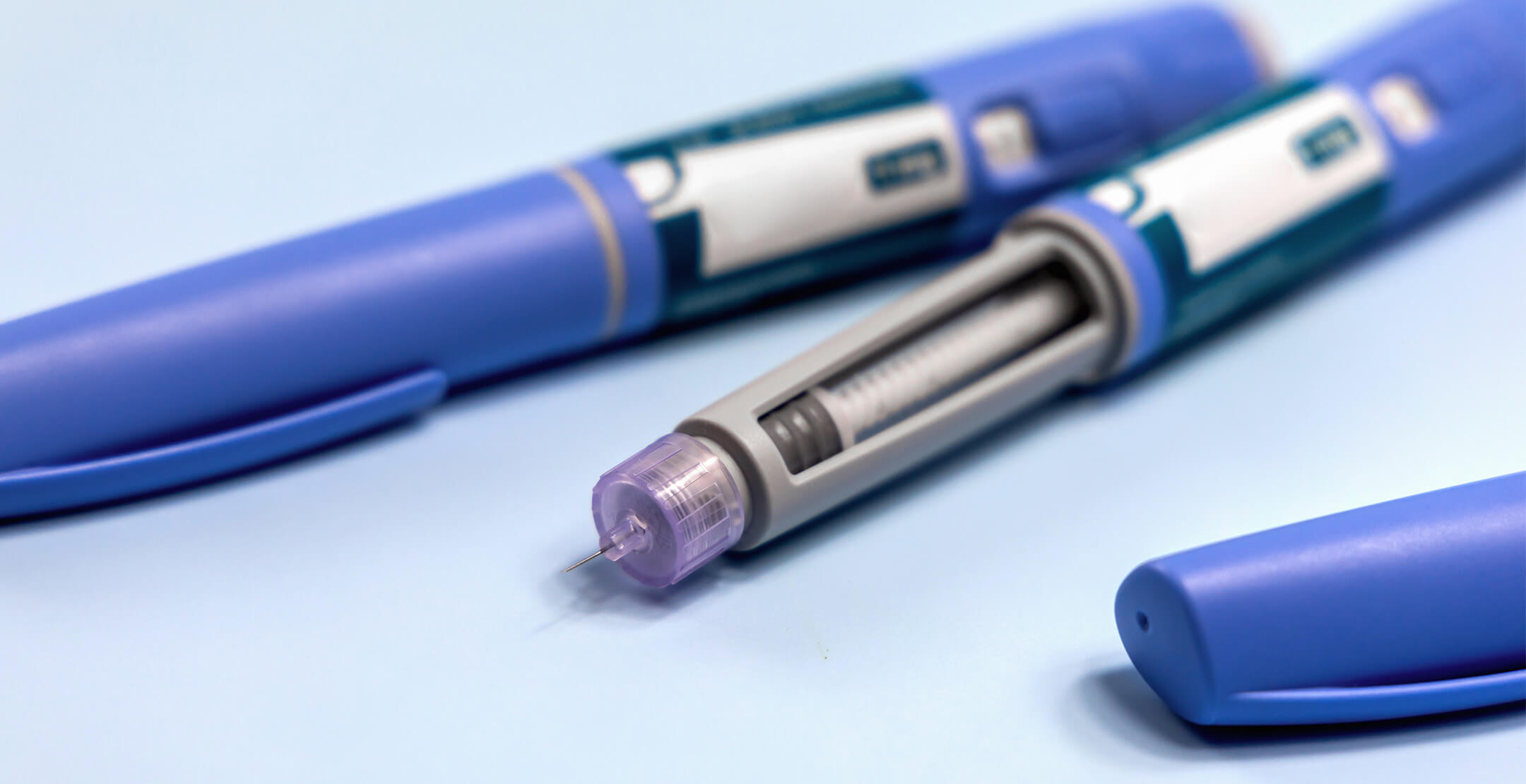
In Preparing Patients for Metabolic Surgery, a Combination of Weight Loss Drugs May Be Better than GLP-1s or Traditional Dieting Alone
For patients with a body mass index (BMI) of 70 or higher, metabolic surgery is a highly effective treatment for this form of extreme obesity. In preparing for this minimally invasive surgery and to increase perioperative safety, it is important for patients to lose weight, especially those with a high BMI. While traditional strategies for perioperative weight loss include dieting and exercise, GLP-1 receptor agonists (GLP-1s) have been increasingly used in recent years. Prior studies have shown that achieving 5% weight loss prior to metabolic surgery may be associated with reduced postoperative complications, but this is often difficult to achieve with diet alone.
Learn More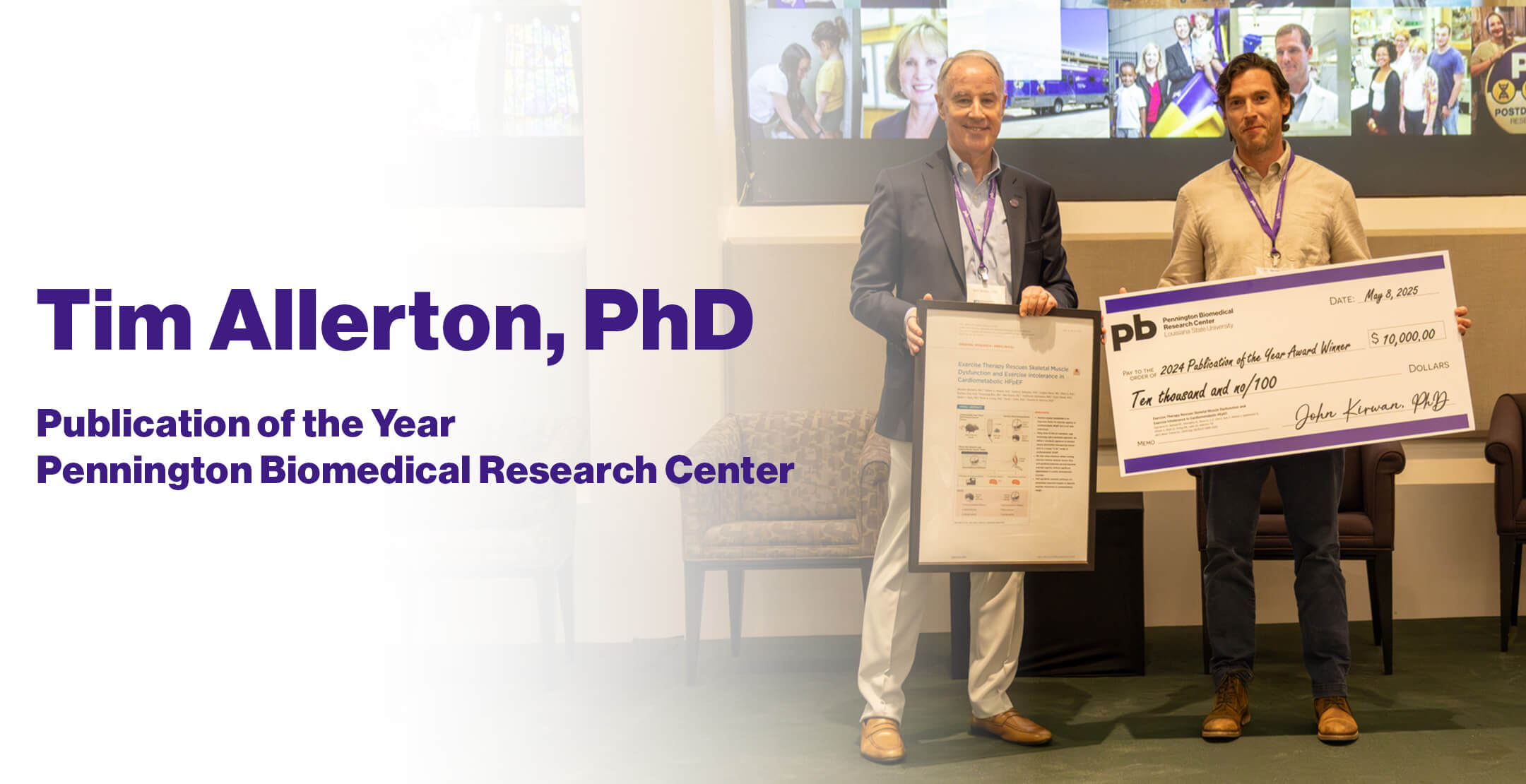
Pennington Biomedical Q&A: Dr. Timothy Allerton
Timothy Allerton, PhD, is an assistant professor of vascular metabolism at Pennington Biomedical Research Center. He is a licensed clinical exercise physiologist. During his postdoctoral fellowship, also at Pennington Biomedical, Dr. Allerton developed a strong interest in the link between vascular function and metabolism. In May, several research data posters, presentations, and publications were evaluated by Pennington Biomedical faculty, with Dr. Allerton’s publication “Exercise Therapy Rescues Skeletal Muscle Dysfunction and Exercise Intolerance in Cardiometabolic HFpEF” selected as the Publication of the Year among those produced by peers and colleagues.
Learn More
Pennington Biomedical Research Center’s June Small Shifts Focus: Adding More Fruits and Vegetables to Diets
Pennington Biomedical Research Center announces the June Small Shifts campaign focus is adding more fruits and vegetables to diets. This month’s shift encourages individuals and families to make simple, sustainable changes that can lead to lasting improvements in overall health and wellness.
Learn More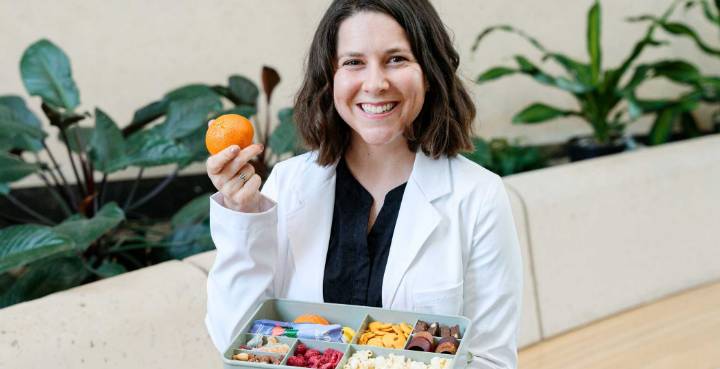
The Art of the Snackle Box
Let’s be honest—nothing brightens up a long drive quite like the promise of a tasty treat: a delicious, indulgent spark of excitement to break up the monotony of long hours spent on the road. But in the chaos of pre-departure vacation planning, snack-packing often gets left off the to-do list, only to be replaced by a gas station stop or drive-thru run on the way. Oftentimes, this means bags of chips or candy, greasy fast food and sugary drinks—which, while convenient, might make the journey less enjoyable, and healthful, in the long run.
Learn More
Pennington Biomedical Leads the Way in Redefining Obesity Diagnosis Beyond BMI
Pennington Biomedical Research Center, a leader in obesity research and treatment, recently played a pivotal role in reshaping how clinical obesity is understood. Three of its researchers served on the prestigious Lancet Commission on Clinical Obesity, a global initiative comprising 56 experts worldwide.
Learn More
Pennington Biomedical Researchers to Present at NUTRITION 2025 Conference in Orlando
Researchers from Pennington Biomedical Research Center are scheduled to present their research findings at NUTRITION 2025, the annual flagship meeting for the American Society of Nutrition, or ASN, taking place in Orlando, Florida, May 31 – June 3.
Learn More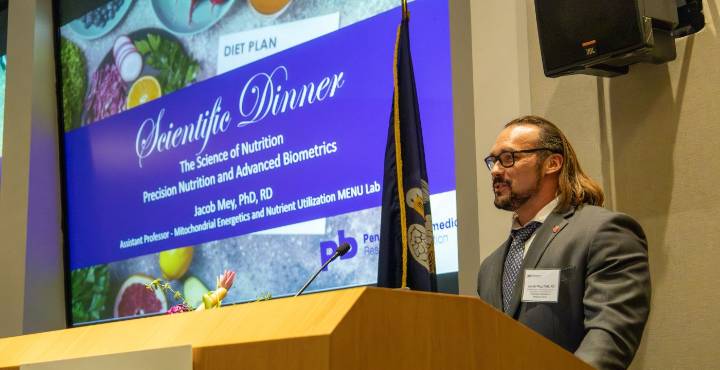
Dr. Jacob Mey Discusses Using Your Unique Biology and Goals to Determine YOUR Best Meal Plan
What if your diet was as unique to you as your own biology, environment, socio-economic factors, individual preferences, and goals? Pennington Biomedical Assistant Professor Jacob Mey, PhD, RD posed this exact question to those gathered at the most recent Scientific Dinner hosted by Pennington Biomedical Research Foundation.
Learn More


