


Research Highlights Long-Term Health Risks of Gestational Diabetes
November 23, 2026 · Baton Rouge, LA
Review published in Nature Reviews Endocrinology identifies postpartum monitoring and lifestyle intervention as opportunities to reduce future cardiometabolic disease risk
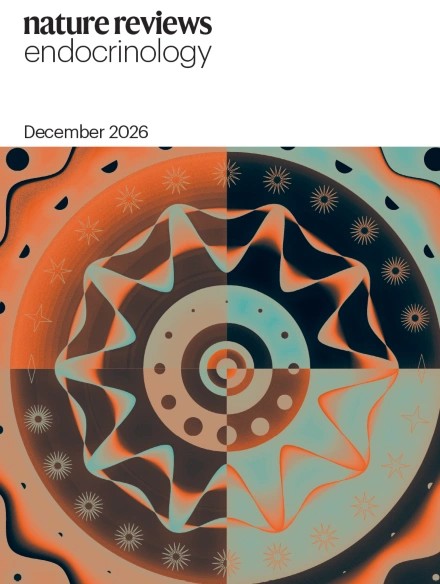 Gestational diabetes is often viewed as a complication of pregnancy that resolves
after delivery, but a new review led by researchers from LSU’s Pennington Biomedical
Research Center shows that its health implications can extend for years, increasing
cardiometabolic risks for mothers and potentially affecting the future health of their
children.
In “Gestational diabetes mellitus and risk of long-term cardiometabolic disease,” published in Nature Reviews Endocrinology, Dr. Yun Shen and Dr. Gang Hu of Pennington Biomedical and their colleagues examine evidence linking gestational diabetes mellitus, or GDM, with long-term health risks across two generations. Women with a history of GDM have a seven- to 10-fold higher risk of developing Type 2 diabetes than women without GDM, with studies also showing increased risks of cardiovascular disease and hypertension. The risk of Type 2 diabetes is highest approximately three to six years after delivery.
Dr. Hu has focused on gestational diabetes and its long-term consequences for more than 15 years, and the review builds on that body of work.
“Gestational diabetes gives clinicians a window into future health risk at a relatively young age,” said Dr. Hu, Director of the Chronic Disease Epidemiology Laboratory at Pennington Biomedical and the review’s corresponding author. “Rather than waiting until diabetes or cardiovascular disease develops years later, we have an opportunity to begin prevention much earlier, when interventions may benefit not only the mother but potentially her child as well.”
The implications may also extend to the next generation. Exposure to maternal hyperglycemia or GDM in the womb is consistently associated with greater adiposity and cardiometabolic risk in children. The researchers caution, however, that the effects of the intrauterine environment can be difficult to separate from shared genetic and postnatal factors, making continued research important.
“Gestational diabetes does not develop the same way in every patient,” said Dr. Yun Shen, first author of the review and assistant professor in Pennington Biomedical’s Chronic Disease Epidemiology Laboratory. “Understanding differences in insulin resistance, insulin secretion, glucose levels and other risk factors may eventually help us determine which mothers and children would benefit most from closer monitoring and more personalized prevention strategies.”
The review emphasizes that the postpartum period represents an important but often underused opportunity to reduce future disease risk. Women with a history of GDM should receive glucose testing four to 12 weeks after delivery and continued monitoring even when their glucose levels return to normal. If postpartum testing is normal, screening for prediabetes or Type 2 diabetes should continue every one to three years throughout life, along with monitoring of blood pressure, weight and other cardiovascular risk factors.
Lifestyle interventions can also make a difference. Among the studies highlighted in the review was the Tianjin Gestational Diabetes Mellitus Prevention Program, a randomized trial led by Dr. Hu involving 1,180 women with previous GDM. Participants who received individualized counseling focused on weight management, physical activity and healthy dietary intake had a 46% lower incidence of Type 2 diabetes than women who received usual care over an average follow-up of 4.5 years.
The review also highlights breastfeeding as another potentially protective factor. Studies have associated breastfeeding and lactation with improved glucose metabolism and cardiovascular risk factors, while longer breastfeeding duration has been associated with a reduced risk of Type 2 diabetes among women with previous GDM.
The researchers conclude that immediate priorities include ensuring reliable postpartum testing and sustained access to prevention programs, while continuing research to determine how prevention and monitoring can be better personalized for women with GDM and their children.
“The long-term implications of gestational diabetes demonstrate why research across the lifespan is so important,” said Dr. Jennifer Rood, Interim Senior Vice Chancellor and Executive Director of Pennington Biomedical. “The work of Dr. Hu, Dr. Shen and their colleagues is helping connect what happens during pregnancy with the health of mothers and children years later. That knowledge creates opportunities to move from identifying risk to preventing disease.”
In addition to Dr. Shen and Dr. Hu, the review was authored by Wei Perng and Dana Dabelea of the University of Colorado Anschutz Medical Campus; Yeyi Zhu and Erica Gunderson of Kaiser Permanente Northern California; Liwei Chen of the University of California, Los Angeles; Xilin Yang of Tianjin Medical University; and Jaakko Tuomilehto of University of Helsinki.
Support for the research included funding from the National Institute of Diabetes and Digestive and Kidney Diseases and the National Institute of General Medical Sciences of the National Institutes of Health.
Nature Reviews Endocrinology is among the most influential journals in endocrinology and metabolism, publishing authoritative reviews written by leading experts for clinicians and researchers. The journal has a 2025 Journal Impact Factor of 39.1 and a five-year Impact Factor of 49.2, and its articles were downloaded nearly 1.9 million times in 2025.
For more information contact:
Ernie Ballard, Senior Director of Communications & Marketing, ernie.ballard@pbrc.edu, 225-263-2677.
About LSU's Pennington Biomedical Research Center
The Pennington Biomedical Research Center is at the forefront of medical discovery as it relates to understanding the triggers of obesity, diabetes, cardiovascular disease, cancer and dementia. Pennington Biomedical has the vision to lead the world in promoting nutrition and metabolic health and eliminating metabolic disease through scientific discoveries that create solutions from cells to society. The Center conducts basic, clinical and population research, and is a campus in the LSU System.
The research enterprise at Pennington Biomedical includes over 550 employees within a network of 44 clinics and research laboratories, and 16 highly specialized core service facilities. Its scientists and physician-scientists are supported by research trainees, lab technicians, nurses, dietitians and other support personnel. Pennington Biomedical is a globally recognized state-of-the-art research institution in Baton Rouge, Louisiana.
Pennington Biomedical Research Center
6400 Perkins Road
Baton Rouge, LA 70808
