


News Feed

Researchers Examine Low Testosterone Screening Rates Among U.S. Army Personnel
Approximately 1 in 4 active-duty male U.S. Army personnel may have a morning testosterone measurement below a commonly used clinical threshold, according to new research from Pennington Biomedical Research Center published this week in JAMA. The findings provide estimates of low testosterone screening results across the active-duty Army population and offer insight into the potential implications of routine testosterone screening for military personnel.
Learn More
Louisiana Researchers Test Technology-Assisted Approach to Preventing Summer Weight Gain in Adolescents
Summer break can bring changes in daily routines that make it harder for adolescents to maintain healthy habits. Researchers from Pennington Biomedical Research Center, FMOL Health | Our Lady of the Lake Children’s Health and LSU are exploring how technology can help keep adolescents engaged in healthy behaviors during and after a structured summer program.
Learn More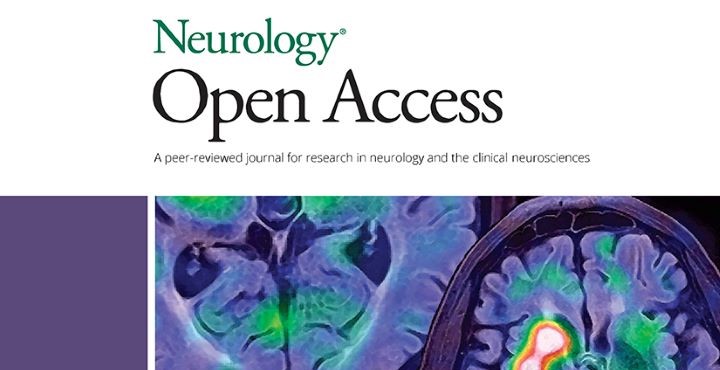
Study Links Life-Course Clinical Obesity to Signs of Brain Health Changes in Midlife
New research from the Bogalusa Heart Study has found that greater exposure to clinical obesity during young adulthood is associated with a greater burden of white matter changes in the brain by midlife, providing new insight into how metabolic health across the lifespan may influence brain health.
Learn More
Study from Pennington Biomedical Reveals How Warm Temperatures Influence Appetite and Weight Gain
Researchers at Pennington Biomedical Research Center have identified a key brain mechanism that connects environmental temperature with appetite and energy balance, offering new insight into how external conditions can shape body weight over time.
Learn More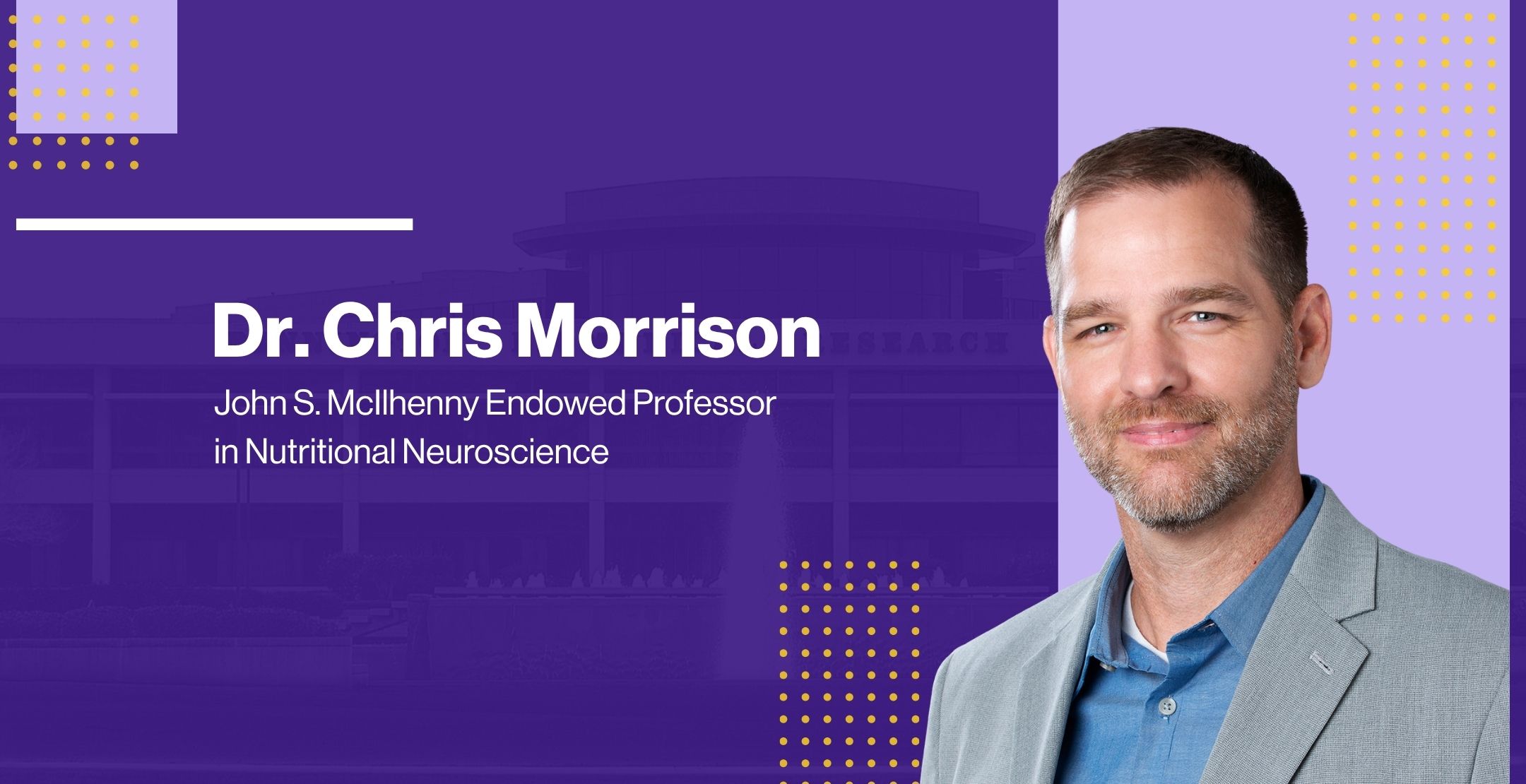
Dr. Chris Morrison Awarded Up to $2 Million NIH Grant to Study How the Brain Detects Dietary Protein Restriction
Dr. Chris Morrison, John S. McIlhenny Endowed Professor in Nutritional Neuroscience and Associate Executive Director for Basic Science at LSU’s Pennington Biomedical Research Center, was awarded a prestigious National Institutes of Health (NIH) R01 research grant totaling up to $2 million to investigate the hormone FGF21 and the detection of dietary protein restriction.
Learn More
“Be the Reason Kids Greaux Healthy” Connects Experts to Advance Childhood Obesity Care
Nearly 200 healthcare professionals, researchers, educators and community leaders gathered Sept. 24 at LSU’s Pennington Biomedical Research Center for the 2026 Childhood Obesity Conference, “Be the Reason Kids Greaux Healthy.” Presented by Pennington Biomedical’s Greaux Healthy initiative, the conference brought together professionals from across Louisiana and beyond to explore evidence-based approaches to preventing and treating childhood obesity and improving health outcomes for children and families.
Learn More
What Science Says About Ultraprocessed Foods and the Aging Brain
The colorings, additives and preservatives added to food products, as well as food processing techniques, are a source of great concern in 2026 because they are ubiquitous worldwide, yet the effects of these items on metabolic health are not fully understood. In addition, researchers are increasingly investigating how these dietary items may also affect the brain as people age. Dr. Owen Carmichael of LSU’s Pennington Biomedical Research Center is helping advance that understanding through a new comprehensive look at the potential relationship between ultraprocessed foods – those featuring extensive processing and additives – and the aging brain.
Learn More
Researchers Identify Brain Circuit Linked to Food Cravings During Pregnancy
Why do food cravings become so strong during pregnancy? Researchers at LSU’s Pennington Biomedical Research Center, in collaboration with colleagues, have identified a brain mechanism that may help explain how pregnancy changes the motivation to seek certain highly palatable foods. This collaborative study was led by Dr. Yanlin He of Pennington Biomedical Research Center, together with Dr. Pingwen Xu of the University of Illinois Chicago and Dr. Chunmei Wang of Baylor College of Medicine.
Learn More
‘Momnesia’ is Real – Scientists Find a Biological Explanation for Temporary Forgetfulness during Pregnancy
Many women usually say the same thing during pregnancy: they walk into a room and forget why, misplace their keys or struggle to follow a conversation. This phenomenon, often called ‘pregnancy brain’ or ‘momnesia,’ has long lacked a clear biological explanation.
Learn More
Pennington Biomedical Researchers Help Advance New Tool for Analyzing Continuous Glucose Monitoring Data
Continuous glucose monitors generate an extraordinary amount of information about how the body regulates glucose throughout the day. As CGM becomes an increasingly important data stream in metabolic research, scientists face a growing challenge: how to turn that immense volume of information into meaningful and comparable insights.
Learn More
Researchers Offer New Perspective on How Protein Restriction May Promote Healthy Aging and Longevity
A new perspective from LSU’s Pennington Biomedical Research Center proposes a new way of understanding how dietary protein restriction may promote healthy aging and extend lifespan: through a coordinated physiological response that connects cellular nutrient sensing with hormones, the brain and changes throughout the body.
Learn More
Dr. Peter Katzmarzyk Named an LSU Boyd Professor, One of the LSU System’s Highest Honors
The LSU Board of Supervisors unanimously voted on Sept. 4 to name Dr. Aaron Sheehan-Dean, Dr. James Garand, and Dr. Peter Katzmarzyk as Boyd Professors. The Boyd Professorship, established by the LSU Board of Supervisors in 1953, is the most distinguished and highest professorial rank awarded by LSU. The honor recognizes faculty members who bring honor and prestige to the university through national and as appropriate, international recognition for outstanding achievements.
Learn More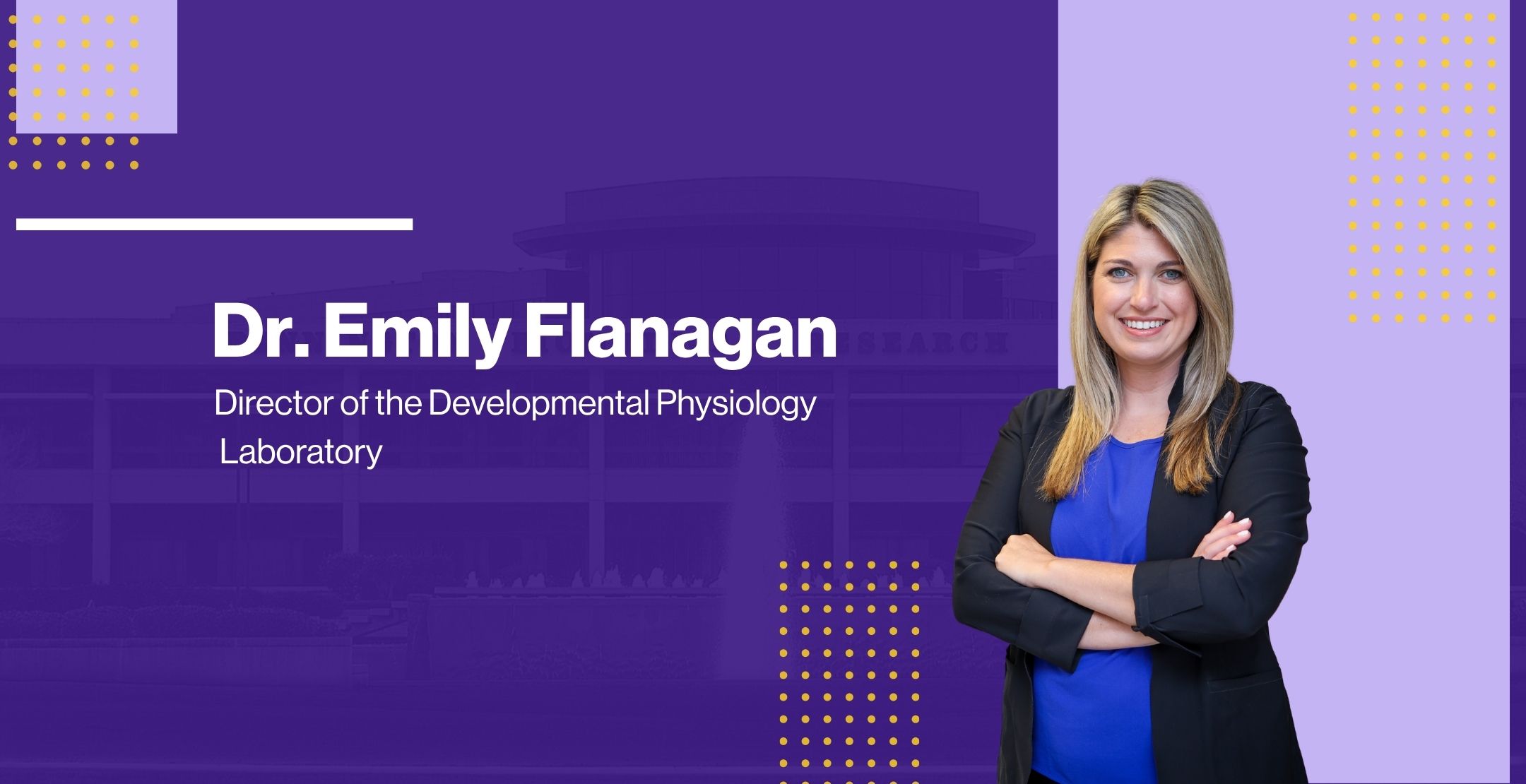
Dr. Emily Flanagan Awarded Up to $3.55 Million NIH Grant to Study Infant Energy Balance and Early-Life Growth
Dr. Emily Flanagan, Assistant Professor and Director of the Developmental Physiology Laboratory at LSU’s Pennington Biomedical Research Center, has been awarded a prestigious National Institutes of Health R01 grant totaling up to $3.55 million to investigate how energy intake and expenditure influence infant growth during the first year of life.
Learn More
Researchers Find Peroxisomes Help Protect Insulin and Maintain Beta Cell Health
Researchers at LSU’s Pennington Biomedical Research Center have identified a previously underappreciated role for tiny structures inside cells called peroxisomes in protecting insulin and maintaining the health and maturity of insulin-producing pancreatic beta cells.
Learn More
Study Finds Extreme Obesity Common Among Bariatric Surgery Patients, Should Not Preclude Treatment
Patients with extreme obesity are more common among those undergoing metabolic and bariatric surgery than previously recognized, and although they face a greater burden of certain health conditions and surgical complications, their overall surgical risk remains relatively low, according to a new study led by researchers at LSU’s Pennington Biomedical Research Center.
Learn More
2026 Childhood Obesity Conference: “Be the Reason Kids Greaux Healthy” to be held Sept. 24
LSU’s Pennington Biomedical Research Center will host its 2026 Childhood Obesity Conference, “Be the Reason Kids Greaux Healthy,” on Sept. 24 at the C.B. Pennington, Jr. Conference Center. The conference, presented by the Greaux Healthy initiative, will bring together health care professionals, researchers, educators and community leaders to explore strategies for preventing and treating childhood obesity. Registration is now available online.
Learn More
Pennington Biomedical Research Foundation Announces 2027 The Answer Gala will be held March 20; Sponsorship Opportunities Now Available
The Pennington Biomedical Research Foundation has announced its signature fundraising event, The Answer, will return on Saturday, March 20, 2027, at L'Auberge Casino & Hotel. One of Baton Rouge's premier charitable events, the annual gala brings together community leaders, philanthropists and supporters for an unforgettable evening dedicated to advancing life-changing work at Pennington Biomedical Research Center.
Learn More
Researchers Examine Unanticipated Benefits of GLP-1 Medications
GLP-1 receptor agonists and dual agonists have transformed the treatment of obesity and other metabolic diseases, and a new editorial co-authored by Dr. Steven Heymsfield of LSU’s Pennington Biomedical Research Center and Dr. Adam Gilden of the University of Colorado examines what scientists are learning as these medications reach millions of people.
Learn More
Pennington Biomedical and Minnesota HealthSolutions Awarded NIH Grant to Develop Digital Driving Safety Platform for Teens with ADHD
Dr. Jeffrey Keller, Hibernia National Bank/Edward G. Schleider Endowed Chair at LSU's Pennington Biomedical Research Center, and Sara Seifert, president of Minnesota HealthSolutions, have received a new National Institutes of Health Small Business Innovation Research (SBIR) award to develop an innovative digital health platform that will help parents support teenagers with attention-deficit/hyperactivity disorder (ADHD) as they learn to drive. Teen drivers with ADHD represent one of the highest risk groups for motor vehicle crashes.
Learn More
New Approach to Obesity Classification Could Better Guide Treatment Decisions
A new approach to defining obesity could help physicians better determine which patients need more intensive treatment by focusing on the effects of excess adiposity on organs and tissues rather than relying primarily on whether a person meets a set of metabolic risk thresholds.
Learn More


